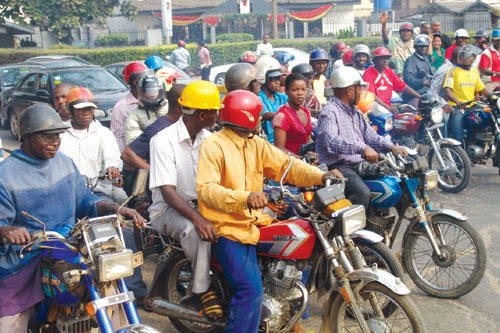
The bustling commercial corridors of Obio/Akpor Local Government Area are tense this week. Following the official announcement by the council chairman, Dr. Gift Worlu, declaring an indefinite ban on commercial motorcycle operations (popularly known as Okada) effective August 1, 2026, the city has been buzzing with mixed reactions.
While the local government insists the sweeping policy is a necessary step to curb rising security threats, kidnapping risks, and traffic chaos, thousands of riders and dependent families are left staring at an uncertain economic future.
Inside the Council’s Directive: What You Need to Know
According to the statement released by the Obio/Akpor LGA administration, the restrictions are designed to restore public order and shut down criminal elements who allegedly exploit commercial motorcycles to perpetrate crimes.
The Effective Date: The ban officially kicks off on August 1, 2026. Operators have been urged to utilize the remaining days of July to wind down and seek alternative means of livelihood.
The Scope: Passenger-carrying commercial motorcycle operations are prohibited across the entire local government area.
Exemptions: The council clarified that the directive does not affect private motorcycle ownership for personal use, provided riders comply with traffic laws. Also exempted are approved dispatch riders, licensed courier and logistics operators, emergency responders, and security agencies.
The Human Cost: Riders Voice Deep Anxiety
In interviews across major transit points within Obio/Akpor, the mood among riders is one of deep frustration and worry. For many, Okada riding is not just a transit job it is the primary lifeline keeping roofs over heads and children in school.
This business is how I pay my rent and feed my family. If they ban it without providing another option, how do they expect us to survive?" shBeyond personal survival, community stakeholders and residents have raised concerns about potential side effects. Some civic voices argue that a total blanket ban rather than strict digital enumeration, tracking, and regulation could inadvertently push desperate, displaced youths toward petty crime or underground vices.
Many are echoing a common plea to the local government: palliative economic measures or alternative empowerment programs must accompany security enforcement to cushion the blow.
What Happens Next?
As the August 1 deadline approaches, all eyes are on the local council to see how strict enforcement will be managed alongside security forces. Meanwhile, commuters are already bracing for a spike in transport strain across key routes like Rumuodara, Rumuokoro, and Aluu, as residents look toward tricycles (Keke) and mini-buses to fill the looming gap.
Drop your thoughts in the comments below! Should the council provide alternative jobs before enforcing the ban, or is total restriction the only way to secure Obio/Akpor?
ared a rider plying the Rumuokoro route.



0 Comments